

On This Page
Signs of Low pH in Pool: Identifying and Addressing the Issue
Is your pool acting up? Cloudy water, itchy skin, rusty fittings, something just feels off? You might be staring at one of the most common culprits in pool care: low pH. When pH is out of balance, your relaxing oasis can quickly turn into a maintenance headache.
This Hy-Clor blog will break down the signs of low pH in pool water so you can spot the warning flags early. We’ll also cover what causes the imbalance, how to raise your pH quickly and how to maintain the pH level in your pool moving forward.
Let’s learn what pH actually is and why keeping it balanced is the secret to pool perfection.
What Is pH and Why Is It Important for Your Pool?
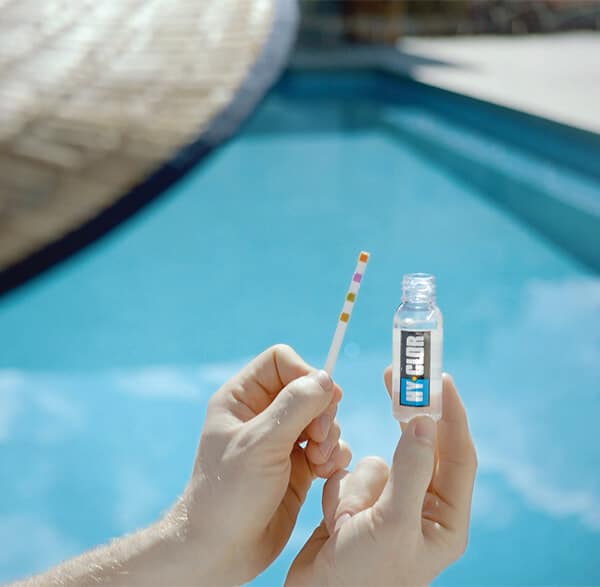
In pool terms, pH is a scale that measures how acidic or alkaline your water is. It ranges from 0 to 14, and for your pool to feel just right (and work like it should), the pH needs to sit comfortably between 7.2 and 7.8.
Why it matters:
- pH affects chlorine’s power: Your pool’s sanitiser, most often chlorine, isn’t as effective when the pH is out of balance. If the pH drops too low, chlorine gets used up faster and becomes less effective at doing its job, killing bacteria and keeping the water clean. That can lead to cloudy water or even unsafe swimming conditions.
- Low pH means unhappy swimmers: If you or your guests are getting out of the water with red, stinging eyes or dry, itchy skin, don’t just blame the chlorine. Acidic water is usually the cause. It can remove natural oils, leaving your skin feeling excessively dry and dehydrated.
- Pool equipment takes a hit: Water that’s too acidic (low pH) is corrosive. Metal parts such as ladders, handrails and your pool pump can start to rust or break down over time. Even plaster, tile and grout aren’t safe from the long-term effects of low pH.
Think of pH as the foundation of your pool chemistry. If it’s off, everything else, sanitiser levels, clarity and comfort, starts to unravel.
Common Signs of Low pH in Pool Water
How can you tell if your pool’s pH is off? You don’t need fancy tools, your pool will show clear (and sometimes subtle) signs. Spotting the signs of low pH in pool water early can save you money and keep swimmers happy.
What to watch for:
- Cloudy or greenish water: Low pH affects water clarity and can reduce the effectiveness of chlorine, giving algae and bacteria a chance to grow.
- Skin and eye irritation: Red, itchy eyes after a swim? Dry or irritated skin? Acidic water strips away the skin’s natural oils and causes that telltale sting in your eyes.
- Decreased chlorine effectiveness: In acidic water, chlorine becomes less efficient, allowing bacteria and algae to multiply faster. If you’re adding chlorine but not seeing results, your pH could be too low.
- Corrosion of pool equipment and surfaces: Acidic water can damage metal pool components and surfaces. Rust spots, etching or rough patches along the walls and floor are common warning signs.
- Staining and discolouration: Metals like copper and iron can leach into the water when pH is too low, leaving blue, green or brown stains on pool walls and floors.
Catching the signs of low pH in pool water early helps you avoid bigger problems and keeps your pool sparkling, safe and swim-ready.

How To Test for Low pH in Your Pool
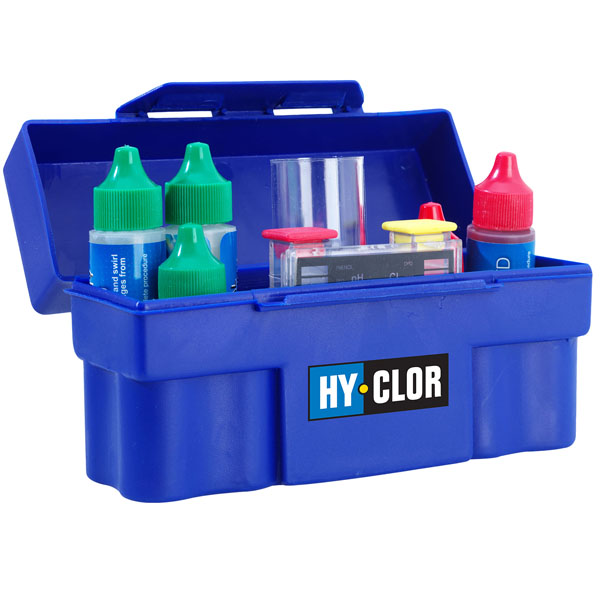
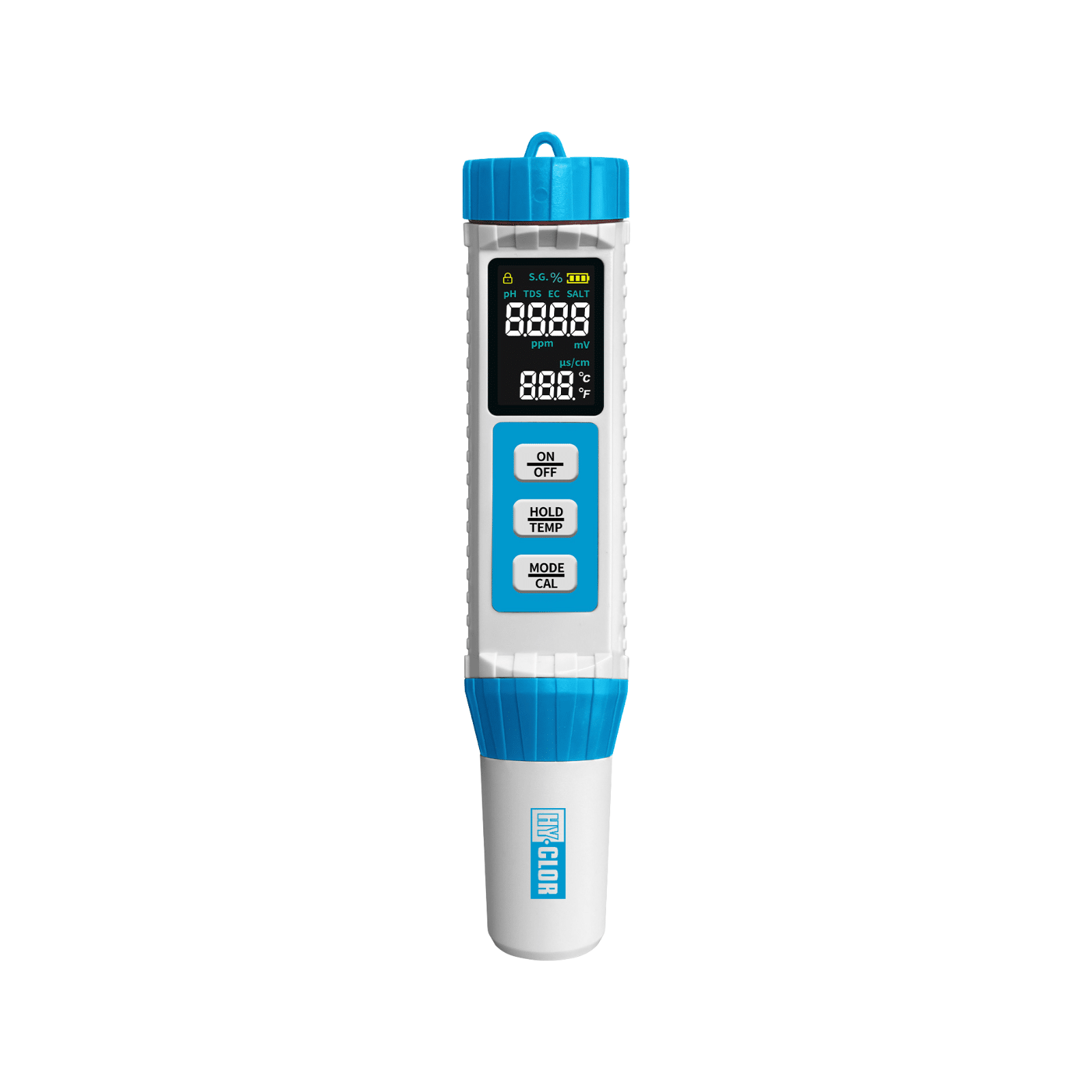
So, you suspect your pool’s pH is off—but how can you be sure? With the right tools and a quick routine, you can spot signs of low pH in pool water before they turn into full-blown issues.
How to check your pool’s pH like a pro:
Now that you know how to test your water, let’s explore the next critical step—balancing your pool’s chemistry for optimal results.
How To Fix Low pH in Your Pool
Restoring proper pH is all about knowing what to add, how much, and when to retest.
Here’s your go-to plan for raising pH levels quickly and safely:

Tips To Prevent Low pH in Pool Water
Fixing low pH is great, but preventing it in the first place is even better. Keeping your pool’s pH in check comes down to consistency and a few smart habits.
Here’s how to stop pH from crashing and keep your water chemistry stable:
- Cover your pool when not in use: Rainwater and debris are two of the biggest contributors to pH problems. Using a pool cover keeps out leaves, bugs and acidic rain. It also helps reduce evaporation and saves water and chemicals.
- Be mindful of chemicals: Overusing stabilised chlorine or acidic chemicals can throw your pH out of balance over time. Use the right products, follow dosage instructions and balance chlorine with alkalinity and pH increasers as needed.
- Clean your filters regularly: Poor water circulation and dirty filters can cause uneven chemical distribution, leading to pH fluctuations. Keeping your filtration system clean helps maintain balanced water throughout the pool.
- Limit organic debris and bather load: More swimmers means more oils, sunscreen and sweat in the water. Skim and vacuum regularly, and consider showering before swimming. Small habits can make a big difference in maintaining pH levels.
Bonus tip: Keep a simple log of your pool tests and treatments. It will help you spot patterns over time and make future adjustments quicker and easier.
FAQs
Keep Your Pool Balanced With Hy-Clor’s Expert Solutions
You and your pool deserve better than stingy eyes, rusty gear and cloudy water. Spotting the signs of low pH in pool water early, and knowing how to fix them, helps you keep everything running smoothly whether you’re doing laps or just relaxing.
At Hy-Clor, we make it easy to take control of your pool care with high-quality products and expert advice. From pH increasers and testing kits to balancers and pool covers, everything you need is just a click or store visit away.
- Shop our range of pool maintenance solutions online or in-store.
- Visit your local Hy-Clor water testing kiosk at Bunnings for a free, accurate pool water analysis.
- Explore the Hy-Clor Learning Centre for videos and tips to keep your pool in top shape.
Don’t let low pH throw off your summer. Stay balanced, stay swimming and let Hy-Clor help you do it right.