

Your pool should be for swimming — not skimming. Trade in your net for an automatic pool cleaner and spend your weekends poolside, not pool-deep in chores. 

Discover how automatic pool cleaners work to keep your pool sparkling clean and debris-free. These clever machines handle the hard work, freeing you up to enjoy your pool without the constant scrubbing and scooping. But how do automatic pool cleaners work, and which type is best for your pool?

In this Hy-Clor guide, we’ll break it all down — from suction-side and pressure-side cleaners to robotic pool cleaners — and help you figure out which option would work best for your pool and lifestyle.
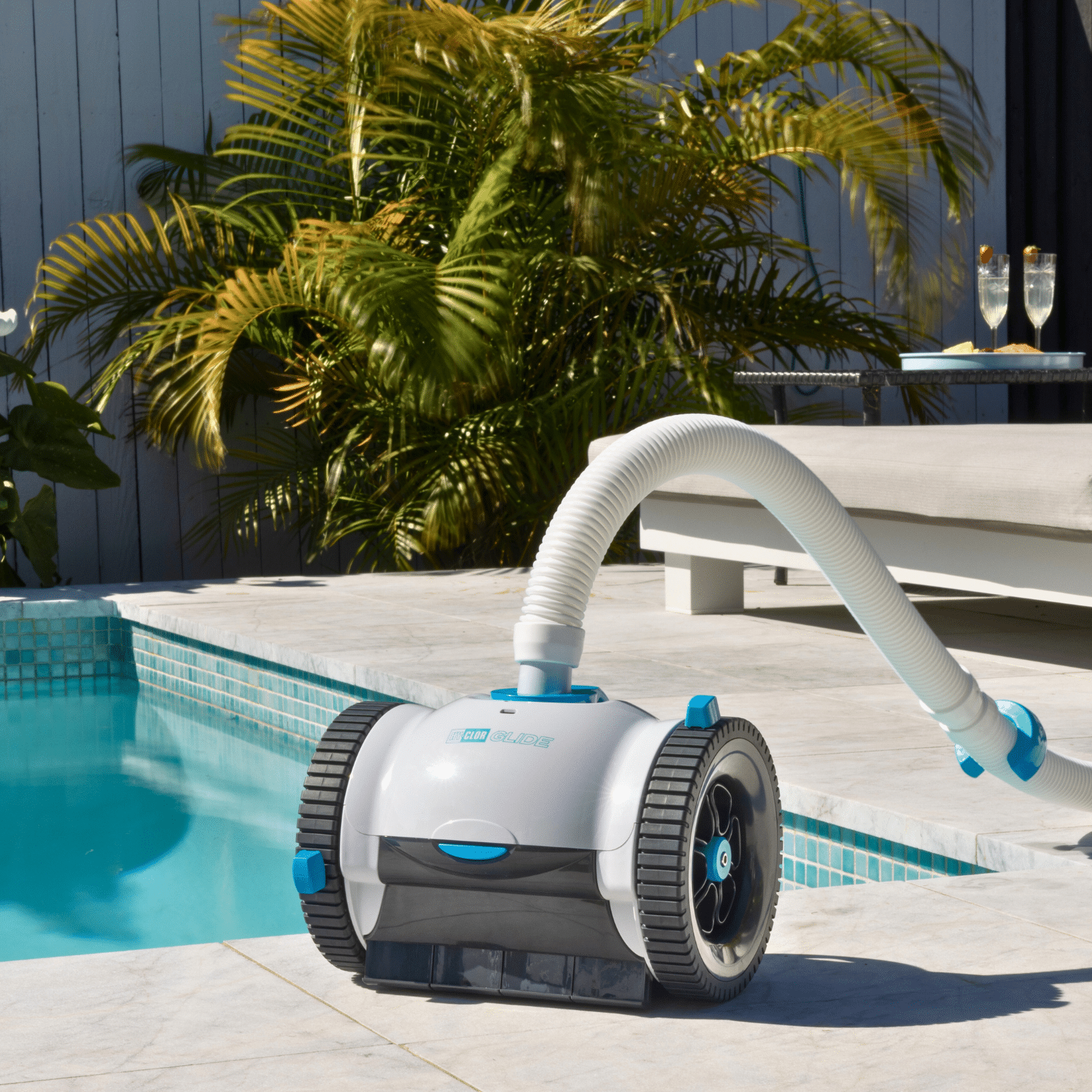
What Are Automatic Pool Cleaners and Why Are They Important?

An automatic pool cleaner is a device designed to remove debris, dirt, and algae from your pool without needing constant manual effort. Instead of spending hours brushing, vacuuming, and fishing out leaves, these systems do it for you.

By keeping your pool clean, automatic cleaners:

  • Maintain clear, sparkling water
  • Help prevent chemical imbalances that can irritate skin and eyes
  • Reduce the strain on your pool’s pump and filtration system
  • Extend the life of your pool equipment

Essentially, they make pool ownership simpler, more efficient, and far less time-consuming.

Why they matter: A clean pool isn’t just about looks — it’s about hygiene and safety. Debris can lead to algae growth, bacteria build-up, and cloudy water, which affects both your enjoyment and your health.

Hy-Clor’s premium range of automatic pool cleaners is perfect for every pool type, from small backyard setups to large in-ground pools. Whether you’ve got a fibreglass pool, a tiled pool, or a vinyl one, there’s a solution that can help you keep it looking spotless.
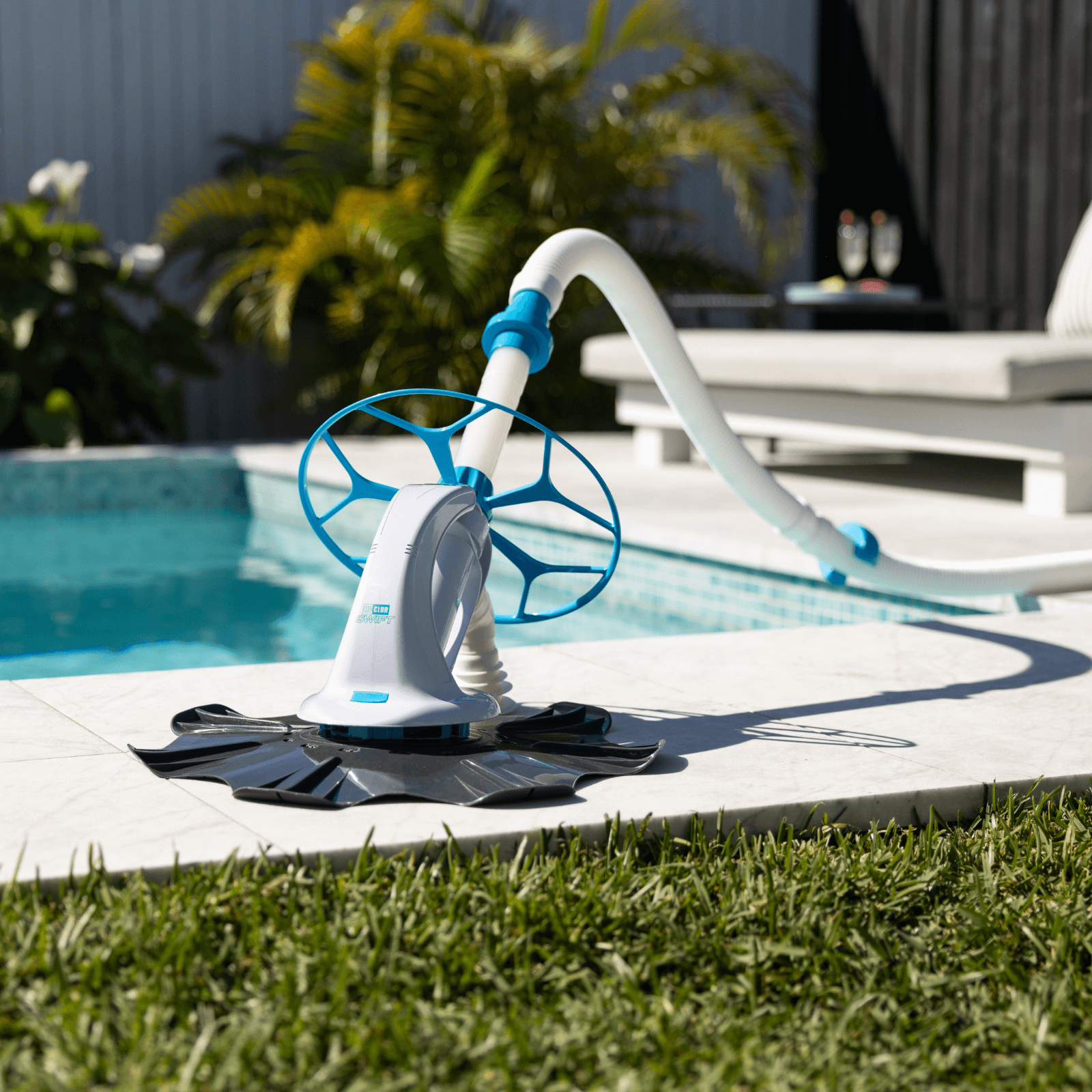
Types of Automatic Pool Cleaners and How They Work

So, how do automatic pool cleaners work exactly? While the goal is the same — keeping your pool clean — each type uses a different method. Let’s look at the three main categories and how each one operates.

Suction-Side Pool Cleaners

Suction-side cleaners are the most common and often the most affordable option. They connect directly to your pool’s skimmer or a dedicated suction port and use your existing pool vacuum system to collect debris.

When your pool pump runs, it creates suction that powers the cleaner, which moves around the pool floor and walls, sucking up sediment and debris into the pool’s filtration system.

Best for: fine to medium debris like dust, sand, and small leaves.

Pros:

  • Budget-friendly and easy to set up
  • Ideal for smaller pools
  • Simple to operate — just plug it in and let it run

Cons:

  • Relies on the pool’s pump and filter, which can increase wear and tear
  • Not ideal for larger debris
  • Requires regular filter cleaning to maintain suction power

If you’re just learning how to use an automatic pool vacuum, suction cleaners are a fantastic starting point — they’re simple, efficient, and reliable for most backyard pools.

Pressure-Side Pool Cleaners

Pressure-side cleaners work a bit differently. Instead of relying on suction, they use water pressure from your pool’s return jets or a booster pump to move around.

The strong jet of water propels the cleaner, stirring up debris from the floor, which is then captured in a separate filter bag attached to the unit.

Best for: medium to large debris such as leaves, twigs, and bugs.

Pros:

  • Keeps debris out of your pool’s main filtration system
  • Powerful cleaning for larger pools
  • Handles heavier debris with ease

Cons:

  • May require a booster pump for maximum power
  • Slightly higher setup cost
  • Can be bulkier than suction models

If you have lots of trees near your pool or frequently encounter larger debris, a pressure-side cleaner could be a smart investment.

Robotic Pool Cleaners

Now to the high-tech heroes of the pool world: robotic pool cleaners. These are self-contained electric units that work completely independently of your pool’s filtration system.

They have their own motors, filters, and onboard technology that guide them around your pool with precision. Simply plug them into a power supply, drop them in the water, and let them go to work.

How do robotic pool cleaners work? They use electric motors and smart sensors to map out the pool’s shape and efficiently clean every surface — from the floor and walls to the waterline. Many come with programmable cleaning cycles, remote controls, and even app connectivity.

Want to see it in action?

Watch our quick video demonstration to see exactly how robotic models climb walls and collect debris with ease. It’s the best way to visualise what happens under the surface when these clever cleaners get to work.

Pros:

  • Extremely efficient and thorough cleaning
  • Operates independently — no strain on your pump or filter
  • Energy-efficient and low-maintenance
  • Works well for any pool size or surface type

Cons:

  • Higher upfront cost
  • Needs to be removed from the pool after each use

If you’re looking for convenience and the best results, a robotic cleaner is hard to beat. Some of the best robotic pool cleaners today are specifically designed for fibreglass pools, providing gentle yet powerful cleaning without damaging the surface.

Benefits of Using Automatic Pool Cleaners

The real appeal of automatic pool cleaners goes beyond convenience. They can transform the way you maintain your pool, helping you save time, money, and effort in the long run.

Here are some key benefits:

  • Time-saving convenience
    Once your cleaner is set up, it does the hard work for you. Instead of spending hours each week cleaning, you can relax knowing your pool will stay swim-ready.

  • Consistent cleanliness
    Automatic cleaners remove dirt, leaves, and algae on a regular basis, keeping your water crystal clear and safe to swim in.

  • Energy efficiency
    Modern robotic pool cleaners are built for efficiency — many models are designed to use less energy than traditional pool pumps while delivering better cleaning results.

  • Cost-effectiveness
    By picking up debris before it reaches your pump or filter, automatic cleaners help extend the lifespan of your pool equipment and reduce long-term maintenance costs.

  • Better hygiene and water balance
    Cleaner water means more consistent chemical levels, which helps prevent issues like cloudy water or algae blooms.

How to Choose the Right Automatic Pool Cleaner for Your Pool

With so many options out there, how do you know which cleaner is right for your pool? Here are a few things to consider before making your choice.

Pool Type and Size

Every pool is different. The size, shape, and surface material all affect how a cleaner performs.

  • Small pools: Suction-side cleaners are often the most budget-friendly.
  • Large pools: Pressure-side or robotic models can handle the extra workload.
  • Fibreglass pools: Choose the best robotic pool cleaner for fibreglass pools — they’re gentle on smooth surfaces but still powerful enough to remove stubborn dirt.
Debris Type

The kind of debris your pool collects will also determine which cleaner suits you best.

  • Fine debris (dust, sand): Go for a suction-side cleaner.
  • Large debris (leaves, twigs): Pressure-side cleaners are best.
  • Mixed debris: A robotic cleaner can handle it all.
Budget Considerations

Think beyond just the purchase price. Consider ongoing maintenance, energy use, and filter replacements.

  • Suction cleaners: offer the lowest upfront cost, but their effectiveness depends on your pool pump.
  • Pressure cleaners: Mid-range pricing, may need a booster pump.
  • Robotic cleaners: Highest upfront cost but lowest running costs over time.
Features To Look For

Modern cleaners come with handy features to make life even easier:

  • Programmable cleaning cycles
  • Energy-saving modes
  • Climb and scrub technology for walls and steps
  • Smart sensors that map and optimise cleaning paths

Ready to take the plunge with a cleaner that does it all? Hy-Clor’s robotic pool cleaners deliver a superior, effortless clean for any pool. Sit back, relax, and let our smart technology handle the hard work for you.

Tips for Maintaining Your Automatic Pool Cleaner

Even the best automatic pool cleaners need a bit of care to stay in top shape.

Here are some quick maintenance tips:

  1. Clean filters and debris bags regularly. A clogged filter can reduce your cleaner’s performance and cause strain on its motor, so rinse and empty them after each use.
  2. Inspect hoses, seals, and brushes for any signs of wear, cracks, or damage. Replace parts as needed to ensure proper functionality and cleaning efficiency.
  3. Store your cleaner properly. When not in use, keep it out of direct sunlight, in a dry area, and on a dedicated storage caddy if provided, to prevent damage or warping.
  4. Follow the manufacturer’s servicing schedule. Regular maintenance, such as lubricating moving parts or checking electrical connections, ensures your cleaner runs efficiently and lasts longer.
  5. Avoid leaving robotic cleaners in the pool when not in use, as prolonged exposure to chemicals and water can damage their electrical components and shorten their lifespan.

A little maintenance goes a long way in ensuring your cleaner lasts for many seasons.
FAQs

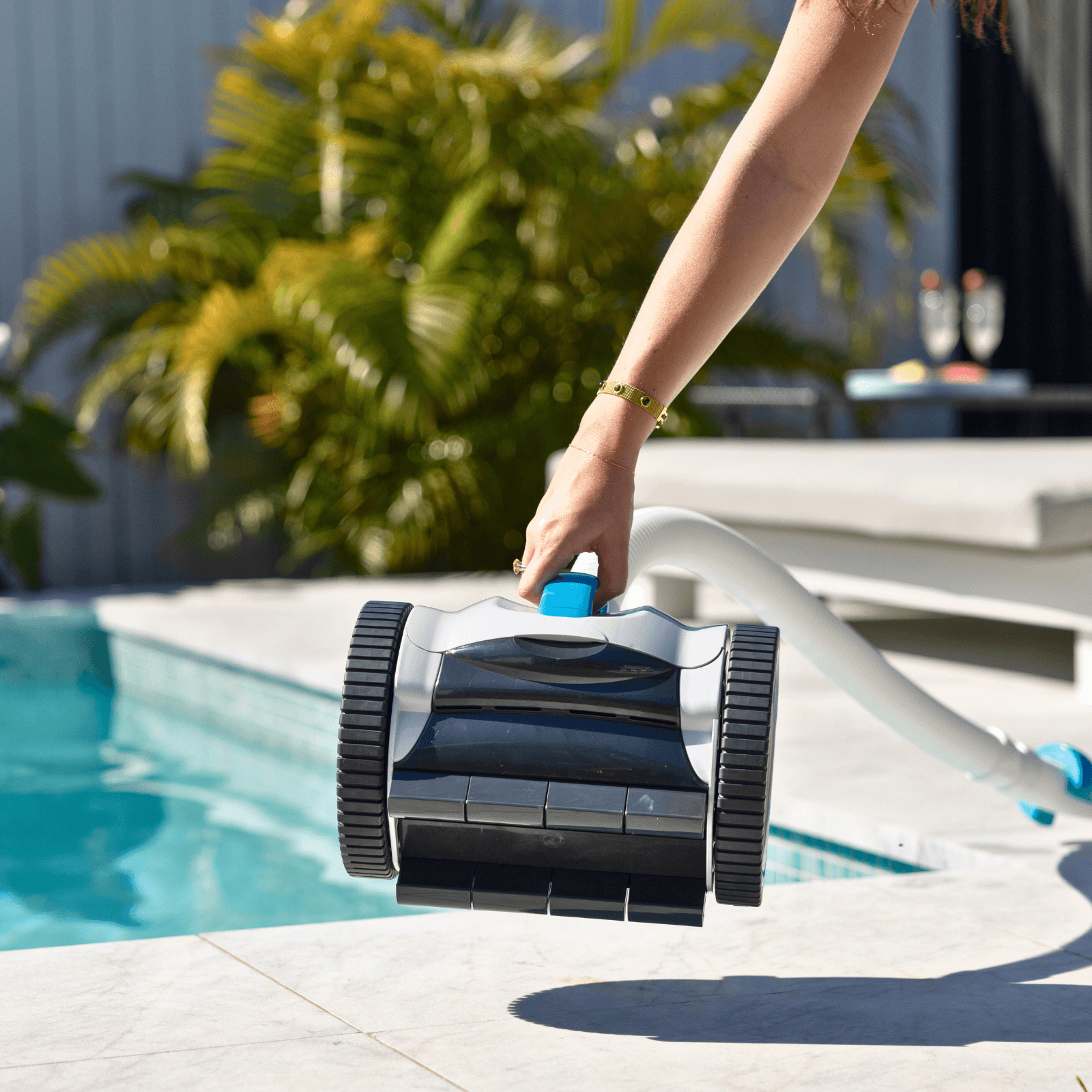
Robotic pool cleaners use an internal motor and advanced smart navigation sensors to move efficiently around your pool. They scrub walls and floors while vacuuming dirt and debris into their own built-in filter system.

Unlike traditional cleaners, they don’t rely on your pool pump, making them both energy-efficient and incredibly easy to use. Watch this short video to see exactly how automatic pool cleaners work and why they’re such a game-changer for pool care.

Suction pool cleaners connect to your pool’s filtration system and use its suction power to remove debris, which is then sent to the pool’s main filter.

Pressure pool cleaners, on the other hand, use water pressure from a dedicated booster pump or return line to propel debris into a separate collection bag, reducing strain on your pool’s filtration system.

Yes, robotic pool cleaners are worth the investment. While they may have a higher upfront cost, they save you significant time and effort by handling cleaning tasks automatically. They also reduce wear and tear on your pool’s filtration system and provide the most thorough cleaning for all pool types, ensuring a consistently pristine swimming environment.

Yes, automatic pool cleaners work with all types of pools, including concrete, fibreglass, and vinyl-lined pools. However, it’s essential to choose a model that’s specifically suited to your pool’s surface type and size to ensure optimal performance and durability.

The frequency of use depends on how much debris your pool accumulates. For most pools, running the cleaner two to three times a week is sufficient. However, during high-use periods or seasons with heavy wind and debris, increasing the frequency can help maintain a clean and inviting pool.

Effortless Pool Cleaning With Hy-Clor’s Range of Automatic Pool Cleaners

Keeping your pool clean shouldn’t feel like a full-time job. With an automatic pool cleaner, you can enjoy sparkling water year-round without the constant manual effort.

With decades of experience in Australian pool care, Hy-Clor continues to innovate cleaning solutions designed for local conditions.

Explore Hy-Clor’s products to find the right automatic pool cleaner for your needs, or contact our knowledgeable team for friendly, one-on-one guidance.

Check out our Videos or visit the Learning Centre for more handy pool care tips and tutorials. Because with Hy-Clor, pool maintenance doesn’t have to be a chore — it can be effortless.