

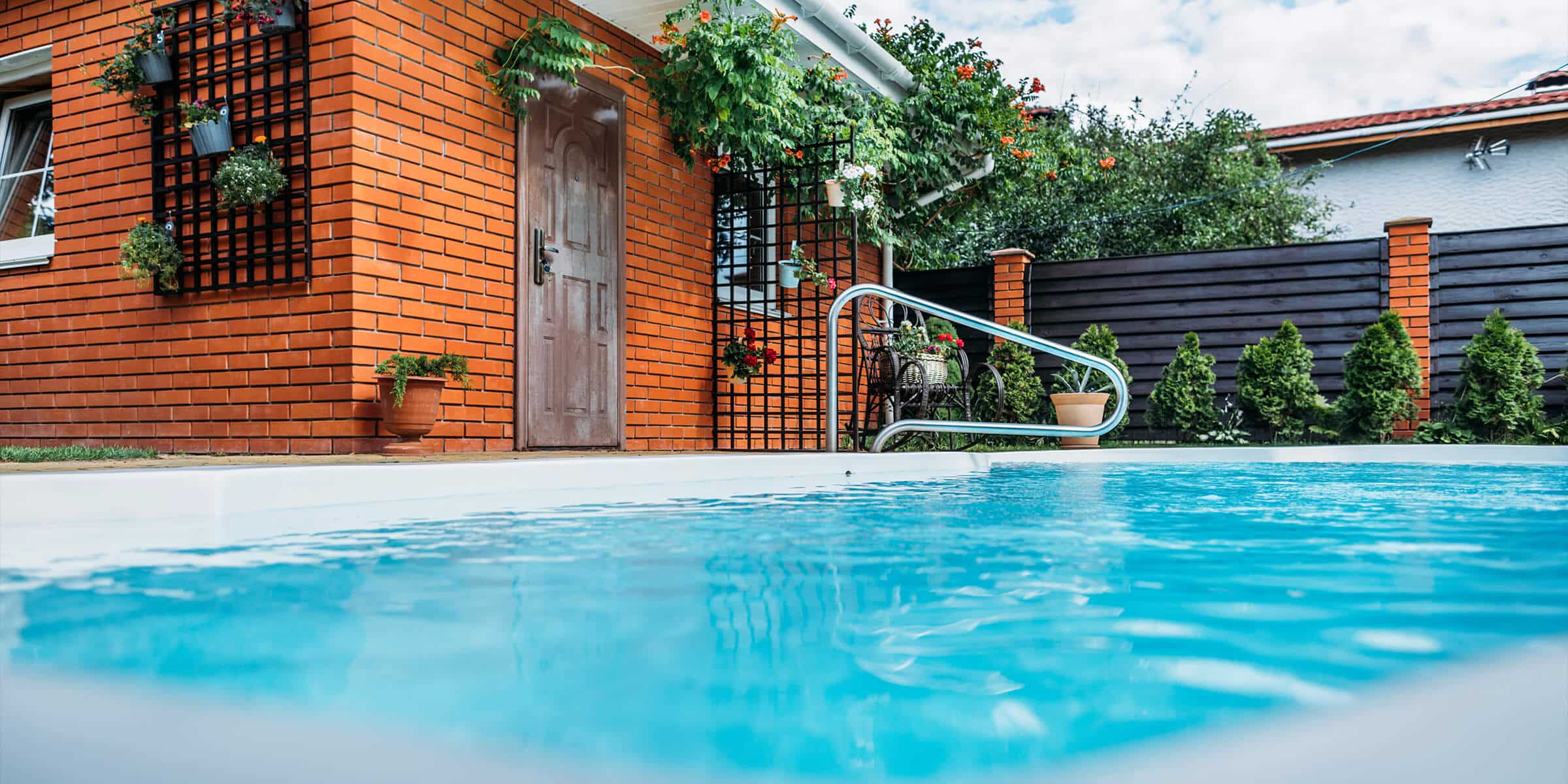
Best Way To Clean a Fibreglass Pool | Make a Pool Sparkle

When your fibreglass pool looks more like a forgotten, murky fish tank than a pristine oasis, it’s time to get stuck into reviving it!

The results will be worth the effort: a crystal clear, healthy pool for you and the family to enjoy

This blog article serves as a helpful guide for readers seeking advice on fibreglass pool cleaning and reveals the secrets to removing unsightly surface stains.
Do Fibreglass Pools Require Different Care?

Like a poodle needs different grooming than a labrador, fibreglass pools require a specific kind of TLC!

Why?

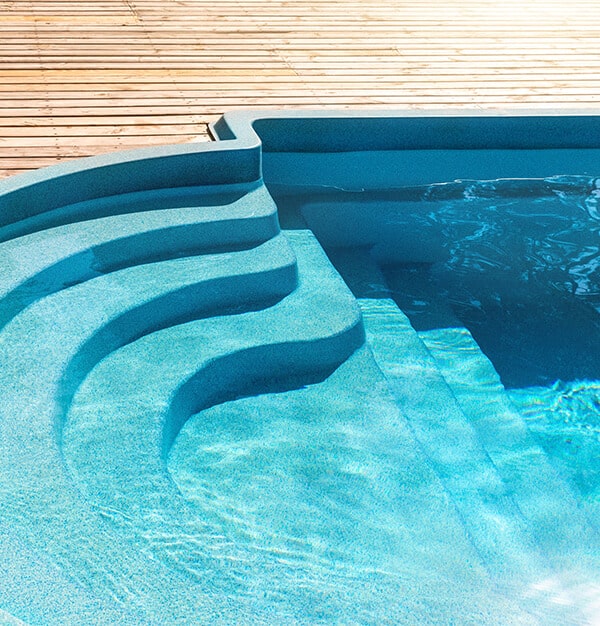
Fibreglass has a protective gel layer that gives the pool its finish and colour, and this smooth, nonporous surface is quite delicate. Compared to a concrete pool, which often requires more aggressive brushing and maintenance, fibreglass pools need a gentler approach to avoid damage.

Here are a few things to remember when fibreglass pool cleaning:

  • Skip the scouring. Avoid stainless steel bristled brushes and scouring pads, as these can scratch and damage the gel coating. Brushing a fibreglass pool should always be gentle so never use brushes with stiff bristles, as they can scratch the surface. Wondering what type of brush to buy for fibreglass pool cleaning? A soft-bristle one, like the Hy-Clor Heavy Duty Broom.
  • Be gentle with chemicals. Strong chemical cleaners can discolour and damage your fibreglass pool surfaces. Always opt for milder cleaners specifically designed for fibreglass.
  • Watch the water balance. Keeping your pool water chemistry in check is crucial, as incorrect pH, alkalinity, or sanitiser levels can lead to unsightly surface stains and scaling.

How To Remove Stains From Fibreglass Pools

Algae

Are algae stains making your pool look like a toxic waste dump? Here’s how to banish them:

  1. Test and balance your pool water chemical levels to kill existing algae and prevent future growth.
  2. Apply a specialised stain remover or metal stain remover directly onto the affected areas and leave overnight.
  3. After 24 hours, gently scrub the stains with a soft-bristle brush. Algae stains are commonly found in areas with poor water circulation or insufficient chemical treatment, such as corners, stairs, or directly beneath returns (the outlets in your pool where water re-enters the area after being filtered and treated.) So be sure to pay extra attention to these areas.
  4. After brushing, use a manual pool vacuum with a vinyl vacuum head designed for gentle cleaning to remove the loosened algae. Or, use an automatic pool cleaner suitable for a fibreglass pool, such as one with adjustable suction power.
  5. Perform a shock treatment to kill any remaining algae, following the product’s instructions. Let your pool’s filtration system run for at least 24 hours to fully circulate the treatment chemicals and remove dead algae.
Calcium Scaling

Calcium scaling is the build-up of calcium deposits on the surface of a fibreglass pool. These deposits appear as rough, white or grey patches that make the pool surface feel gritty.

Scaling occurs when the pool water is hard, or the pH level is off. You’ll need to treat these problems before you tackle the scaling. Adjust the water chemistry based on test results, possibly adding a pH decreaser to bring levels within the recommended range.

Once the scales have loosened, vacuum your pool to pick up the fallen debris. For stubborn calcium deposits, an acid wash may be considered, but it should be performed with care to protect the fibreglass surface and maintain proper water chemistry.

Leaf/Organic Stains

Leaf stains cramping your pool’s style? Don’t “leave” them like that!

Leaves can stain a fibreglass pool when they fall into the water and are left to decompose. As the leaves break down, they release tannins which are an organic matter that adheres to the fibreglass surface and causes brown or green-coloured stains.

Other debris, such as twigs and insects, can also contribute to staining and should be removed promptly to maintain water clarity and hygiene.

To prevent staining, remove leaves promptly from the water’s surface with a leaf scoop and from the bottom of your pool with a leaf rake. Always keep your pool water chemistry balanced, as poor water conditions make it easier for the tannins to stick to the surface.

Pop a suitable pool surface stain remover on the leaf stains following the product’s instructions. After 24 hours, it’s time for some elbow grease! Older, darker stains will need a decent scrub with a soft-bristle brush.

Metal Stains

Have you noticed any mysterious red, green, or black stains on your pool’s walls or floors? Your pool might be crying out for help against metal stains!

Metal stains can result from metals, such as iron, copper, and manganese, present as contaminants in the water. These metals can cause different coloured stains in fibreglass pools. Iron often leads to reddish-brown stains, copper to green or blue stains, and manganese to black stains.

These metal ions react with imbalanced pool water and precipitate, sticking to the fibreglass surface and causing stains. The most common metal stains are from iron, copper, and manganese, resulting in the abovementioned colours.

Regularly checking water chemistry and using metal sequestrants will help prevent these stains.

To remove preexisting stains, most people attempt to solve this issue by rubbing a plain, uncoated Vitamin C tablet directly on the stain. The ascorbic acid in the tablet will react with the metal (particularly iron), lifting the stain from the surface.

At Hy-Clor we make things far easier for you! The Hy-Clor stain remover is suitable for fibreglass surfaces and combined with some light scrubbing with gentle brushes as well as running your vacuum or cleaner over your pool to pick up any loosened metallic debris, your pool will be looking as good as new in no time!

Cobalting

Though “cobalting” is technically not a stain, it is a condition that occurs when pool water penetrates pinhole gaps in the gelcoat and chemically reacts with the resin beneath by osmosis, creating crystallised areas of black discoloration on the fibreglass pool shell.

Cobalting is typically a bluish or greyish stain

As with all stains, cobalting is more likely to happen if the pool water is out of balance, particularly if the pH, alkalinity, or sanitiser levels are inaccurate.

Try specialised metal sequestrants that target cobalt and ascorbic acid treatments to remove cobalt stains.

If they persist, try the tried and tested stain remover, scrubbing, and vacuuming combo we’ve discussed for the other stains!

How To Prevent Fibreglass Pool Stains

Instead of spending time and effort cleaning fibreglass pool stains, take preventative measures to stop them from appearing in the first place!

Such measures include:

  • Using a pool cover. Install a pool cover to prevent debris from entering the pool and reduce maintenance.
  • Removing debris regularly. Leaves, twigs, and pesky insects can cause ugly stains, so use a leaf shovel or similar tool to scoop them out daily if possible. Cleaning the pool regularly is essential to maintain cleanliness and prevent stains.
  • Vacuuming weekly. Run your pool vacuum or other automatic cleaner for at least one weekly cleaning cycle. Make sure to clean the pool’s walls and pool floor for thorough maintenance.
  • Using a pool cleaner and other options. A pool cleaner is an effective option for regular cleaning, and there are other options available for pool maintenance.
  • Balancing water chemistry regularly. Test your pool water chemical balance weekly and make any necessary adjustments, as imbalanced water encourages stains to form.
  • Maintaining the filter system. Keeping your filter system clean is crucial for ensuring clean water and good water quality.

Proper maintenance can save you money in the long run by reducing repair and cleaning costs. Only drain the pool when absolutely necessary and preferably have it done by professionals to avoid damage. Having access to expert advice or resources can help you care for your pool more effectively.
FAQs

For best results, clean your fibreglass pool at least once a week. Regular brushing, skimming, and vacuuming prevent stains and surface build‑up. Maintaining balanced water chemistry is equally important as it helps protect your pool’s gelcoat and keeps the surface smooth and glossy.

The easiest and safest way to clean a fibreglass pool is to use soft-bristle brushes, mild pool cleaners designed for fibreglass surfaces, and a gentle vacuum. Products from Hy-Clor’s pool care range are ideal for preventing scratches and ensuring a sparkling finish without damaging the gel layer.

No. Pressure washing can damage your fibreglass pool’s protective gelcoat and cause long‑term surface wear. Instead, use Hy‑Clor’s stain removers, a soft‑bristled pool broom, and balanced water chemistry to safely lift dirt, algae, and calcium deposits.

Stains in fibreglass pools can result from metal content, algae, organic debris, or unbalanced water chemistry. Leaves, high metal levels in salt or bore water, and low pH often lead to discoloration. Routine testing and Hy‑Clor’s dedicated stain‑removal products effectively prevent and treat these stains.

Brown stains are typically organic (from leaves or algae) or from iron‑based metals. First, balance your water chemistry, then use a fibreglass‑safe cleaner. Gently brush the affected areas, then run your filter or automatic cleaner to remove loosened residue.

Yes, but with care. Always place chlorine tablets inside a floating dispenser or skimmer basket rather than directly on the pool surface, as direct contact can cause bleaching or damage to the fibreglass finish. Using Hy-Clor sanitiser products as directed helps protect your pool shell and maintain clarity.

The ideal pH range is 7.2 to 7.6. Staying within this range prevents staining, scaling, and surface dullness. Regular testing helps you maintain chemical balance for safe, clean water all year round.

No. Household cleaners are too harsh and can damage the gelcoat, leading to fading or dull areas. Always use pool‑specific products to safely clean surfaces and remove debris without altering the pool’s finish.

Do You Need Fibreglass Cleaning Materials?

A clean pool means more fun in the sun, so keep yours fresh and stain-free with the help of Hy-Clor’s pool maintenance products.

If you need stain support, don’t hesitate to contact us by filling in the online form! Alternatively, visit your nearest Bunnings Warehouse for our full range of products.

For more tips and tricks on fibreglass pool cleaning, check out our Learning Centre and dive into our video resources.