


Energy-Efficient Pool Pump: Save Energy and Reduce Costs Without Compromising Performance

Discover the benefits of an energy-efficient pool pump. Learn how it reduces energy costs, improves performance, and helps maintain a cleaner pool while being eco-friendly.
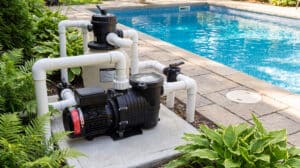
The Benefits of an Energy-Efficient Pool Pump: Improved Performance and Savings

With electricity prices rising across the country, people are taking a hard look at what’s chewing through power at their homes.

If you have a pool, your pump could play a bigger part in your electricity bills than you think! The Australian Government says pool pumps take up nearly 18% of the electricity used in the average Aussie home with a pool.

An energy-efficient pool pump can help reduce electricity consumption by up to 90% and save you money while keeping your pool clean and clear.

How do energy-efficient pool pumps work? And how can you choose the right one? We’ve got the answers you need!

What Is an Energy-Efficient Pool Pump?

Standard pool pumps usually run at one fixed speed, often at full power the whole time, even when your pool doesn’t need that much flow.

Most energy-efficient pool pumps can adjust how hard they work using variable-speed technology. A variable-speed motor lets the pump run at lower speeds for everyday filtration and at higher speeds only when extra power is needed. Lower speeds are often enough for daily water turnover and filtration, while higher speeds can be used for tasks such as vacuuming, backwashing, or operating certain pool features.

Running at lower speeds for longer periods is usually more efficient than a pump running flat out for short bursts. You still get steady circulation and filtration, but with less energy use, quieter operation, and less wear on the pump.
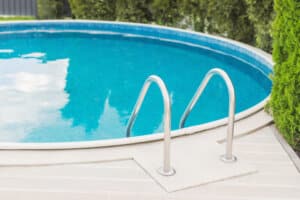

While variable-speed pool pumps are the most efficient option, they’re not the only efficient option.

Some multi-speed and certain single-speed pumps can also use energy more efficiently than older standard models. They may use a more efficient motor, improved hydraulics, or a pump size better matched to the pool.

Benefits of Using an Energy-Efficient Pool Pump
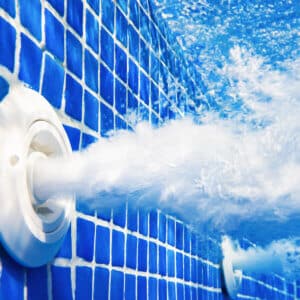
Energy-efficient pool pumps can save you money because they don’t have to run at full power all the time. A variable-speed model can run at a lower speed for longer, using much less electricity while still keeping water circulating and filtered.

The Australian Government says a 5-star energy-rated variable-speed pool pump uses 55% less energy than a 1-star single-speed pump. Those electricity savings translate to lower running costs over time.

Variable-speed pumps can improve pool performance by keeping water moving more steadily through the filtration system. Better circulation distributes chemicals more evenly, reduces dead spots in the water, and gives your filter a better chance to catch dirt and debris.

More effective filtration and water movement equal:

  • Cleaner, clearer, and healthier pool water
  • Reduced build-up on pool surfaces
  • Easier day-to-day pool care

The best energy-efficient pool pumps are better for the environment because they use less electricity to keep water circulating and filtered. Using less electricity means less demand on power stations, many of which produce harmful greenhouse gases that trap heat in the atmosphere and can drive climate change.

An energy-efficient pump can help lower the emissions linked to running your pool and reduce your household’s overall carbon footprint. You can do your bit for the environment while enjoying a lovely, clean pool!

Energy-efficient pool pumps are often more durable because they run at lower speeds rather than operating at full power all the time. Less strain on the motor and other moving parts can reduce wear and tear over time. For your pump, that can mean a longer lifespan, fewer repairs, and lower upkeep costs.

Lower-speed pump operation can also mean fewer maintenance issues and less stress on your pool system overall (filter, pipework, and other connected equipment), because water moves through the equipment more gently and under lower pressure.

As they typically run at lower speeds for everyday filtration, energy-efficient pool pumps are often quieter than traditional single-speed models. Lower-speed operation creates less motor noise and vibration, which can make a noticeable difference around your pool area.

A quieter pump can make your backyard more enjoyable without that constant background hum! It’s also a real plus if the pump is near your house or close to your neighbours.

Comparing Energy-Efficient Pool Pumps to Traditional Pumps

Feature Energy-Efficient Pool Pumps Traditional Pool Pumps
Initial Cost Higher upfront cost due to variable-speed technology and more advanced motor design Lower upfront cost, especially for basic single-speed models
Long-Term Costs Lower running costs over time because they use less electricity for everyday filtration Higher running costs because they operate at full power whenever they’re on
Performance Variable-speed operation allows lower speeds for daily filtration and higher speeds for jobs such as vacuuming or backwashing Single-speed operation means the pump runs the same way for every task
Water Circulation and Filtration More consistent water flow can improve circulation, support filtration, and keep water cleaner and healthier Can still circulate and filter water, but with less control and efficiency
Noise Usually quieter because the pump can run at lower speeds Usually louder because the pump runs at full speed the whole time
Environmental Impact Lower energy use can reduce emissions linked to power generation and lower your pool’s carbon footprint Higher energy use can increase the environmental impact of running a pool
Overall Value Higher initial investment, but greater savings and efficiency over time Lower upfront spend, but potentially higher costs over the life of the pump

How to Choose the Right Energy-Efficient Pool Pump

Consider

  • Pool Size and Volume: Larger pools need a pump with the capacity to move more water, while smaller pools may not need as much power. Getting the right pump size helps with circulation, filtration, and running costs.
  • Pump Horsepower and Speed Settings: More power isn’t always better. Your pool might benefit from a variable-speed pump that runs at a lower speed for everyday filtration and at a higher speed when needed for tasks such as vacuuming or backwashing. Choosing the right horsepower and speed settings lets you balance performance with energy savings.
  • Compatibility with Your Existing Pool System: A new pump should work well with your filter, pipework, chlorinator, and any water features. Check compatibility before you buy to avoid installation issues and get the best performance from your setup.
  • Budget and Long-Term Savings: Energy-efficient pumps can cost more upfront than standard models, but they can save money over time through lower electricity use and reduced wear on the system. Looking at both the purchase price and the long-term running costs can give you a clearer picture of value.

If you need help choosing the best energy-efficient pool pump for your pool, Hy-Clor can point you in the right direction. You can also explore our Learning Centre for advice on other equipment, pool care, and maintenance.

Tips for Maximising Energy Efficiency in Your Pool

  1. Maintain Your Pool Pump: A clean, well-functioning pump doesn’t have to work as hard. Regularly check for clogged baskets, dirty filters, leaks, or worn parts, and stay on top of servicing to keep your pump running smoothly and efficiently.
  2. Use a Pool Cover: A pool cover can do more than keep leaves and debris out; it can also hold in heat, reduce evaporation, and take pressure off your pool equipment, which may help cut energy use over time.
  3. Adjust Your Filtration Schedule: Running your pump longer than needed can waste electricity. Setting the right filtration times for your pool size, usage, and season can keep the water clean without using more power than necessary. You may also want to run your pump during off-peak periods if your electricity plan offers lower rates.
  4. Upgrade Other Pool Equipment: Your pump is only one part of your pool’s system. Energy-efficient heaters, cleaners, and other equipment can also reduce power use and improve the overall efficiency of your pool setup.

Hy-Clor offers energy-efficient pool pumps and a range of accessories to keep your pool clean while using energy as smartly as possible.
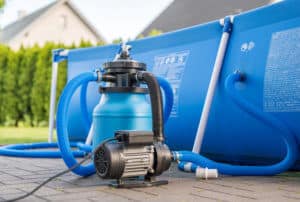
FAQs

A pool pump is considered energy-efficient when it moves water effectively while using less electricity. Variable-speed pumps are a common example because they can run at lower speeds for everyday filtration and switch to higher speeds only when more power is needed.
Exactly how much money you can save with an energy-efficient pump depends on your pool size, pump size, run times, and electricity rates. However, using less electricity generally means lower running costs. For example, a 5-star variable-speed pool pump uses 55% less energy than a 1-star single-speed pump.
Variable-speed pool pumps generally cost less to run, are quieter, and can improve day-to-day filtration, so the long-term savings and performance benefits often offset the initial investment.
Payback time varies. For example, a retrofit trial by Sustainability Victoria found an average payback period of 5.8 years when measured against the full installation cost of a high-efficiency, 8-star, 3-speed pump, and 2 years when measured against the difference in cost between this pump and a standard pump.

The best energy-efficient pool pumps are typically variable-speed models with a high energy rating, but the right one depends on your pool size, filter, pipework, and flow requirements.

As a general guide, look for the smallest pump that suits your pool’s size, choose a model with at least a 5-star rating, and compare the estimated running costs with the purchase price.

An energy-efficient pool pump can keep water circulating more consistently through the filter. Steady water flow distributes chemicals better, reduces stagnant areas, and gives the filtration system a better chance to remove dirt and debris, helping improve water quality.

Upgrade to an Energy-Efficient Pool Pump and Start Saving Today!

So, are energy-efficient pool pumps worth it?

Absolutely! An energy-efficient pump can mean

  • Less electricity use
  • Lower running costs
  • More reliable circulation and filtration
  • Cleaner, healthier water
  • Quieter day-to-day operation
  • Less wear on your pool system
  • A lower environmental impact

Hy-Clor has the energy-efficient pool pumps and accessories you need so your pool runs at its absolute best. Our range caters to different pool sizes, setups, and budgets.

Explore our pool pump range online, watch our videos for helpful pool care tips, and contact us for personalised advice on choosing the right pool pump.