



On This Page
What Happens to Backwash Pool Water? A Guide to Safe and Responsible Disposal
Backwashing is one of those pool jobs you can do on autopilot. Turn the valve. Watch the cloudy water rush out. Done.
Except that water does not magically disappear; it carries chlorine, salt, and fine debris. When it ends up in the wrong place, backwash pool water can scorch lawns, damage drains, flow into local waterways, and cost you a fine from the council.
Where does backwash pool water go, where is it allowed to go, and what safe disposal options are available?
We’ve got the answers you need.
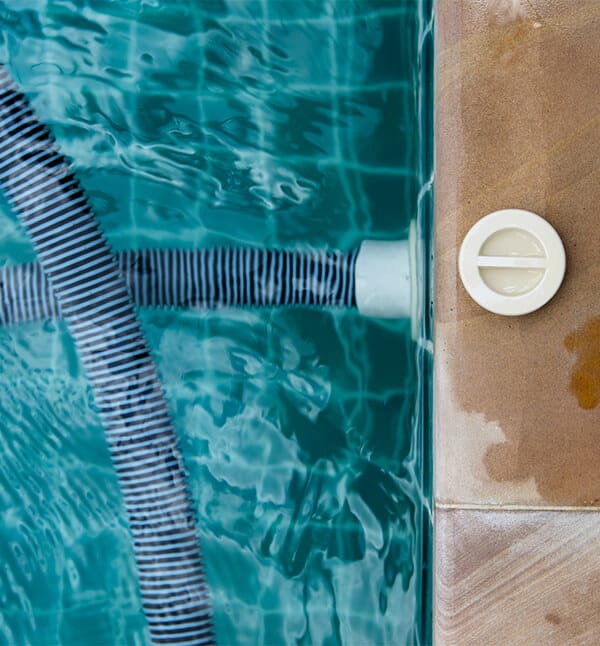
What Is Backwash Pool Water and Why Does It Matter?
Backwashing is the process of cleaning a pool filter by reversing the water flow. Instead of water moving through the filter in the normal direction, the system sends water backwards through the filter media, such as sand, to lift and flush out trapped gunk, then pushes it out through the waste line.
Backwash pool water is basically used cleaning water from your filtration system. It usually contains:
- Dirt and fine sediment
- Leaves, insects, and organic debris
- Pool chemicals, often chlorine, and sometimes salt in saltwater pools
- Body oils, sunscreen residue, and other contaminants
- Algae particles
Backwash water matters because what’s in it can cause problems once it leaves your pool.
Disposing of backwash water the wrong way can:
- Kill or burn grass and garden beds
- Damage nearby plants and soil over time
- Pollute stormwater drains and local waterways
Legal and Environmental Considerations
Disposing of backwash pool water properly is not optional. Local councils and water authorities set rules to stop chlorinated or salty water from entering stormwater systems and natural waterways. Ignoring those rules is not wise. You may face complaints, inspections, and fines if backwash water flows into gutters, drains, or neighbouring properties.
Environmental impact matters just as much. Backwash water can carry chlorine, salt, fine sediment, and organic contaminants. When released into stormwater drains or waterways, these substances can harm aquatic life, reduce water quality, and disrupt natural ecosystems.
Where does the water go when you backwash a pool, and how can you dispose of the water safely?
Let’s find out.

How to Dispose of Backwash Pool Water Safely
Eco-Friendly Ways to Manage Backwash Water

FAQs About How to Prime a Pool Pump
Backwash water is the dirty water flushed out of a pool filter during backwashing. It carries trapped debris like dirt and algae, plus leftover pool chemicals, and is discharged through the waste line.
Backwash water should only be used on lawns or tougher plants when chemical levels are low, runoff is controlled, and local council rules allow it. It must never flow into stormwater drains or neighbouring properties.
Not always. Backwash water can contain chlorine, salt, and debris that may damage plants and soil. It is only suitable for lawns or tougher plants when chemical levels are low, and water is released in a controlled manner.
Backwash water entering a storm drain flows straight into local waterways without treatment. It can cause environmental harm and may lead to council complaints, inspections, and fines.
Usually, no, but local council rules still apply. Some areas require backwash water to be discharged to the sewer or managed on-site under specific conditions, so it’s best to check local guidelines before releasing it.
Most pools need backwashing every few weeks, or when the filter pressure gauge rises about 20–25% above normal. Frequency depends on pool use, debris levels, and water balance.

Dispose of Backwash Pool Water Responsibly with Hy-Clor’s Expert Solutions
Where does backwash pool water go?
Best case, it goes down the right drain or into a spot on your property where it can soak in safely. Worst case, it ends up in the street, then straight into local waterways. Same water, very different outcome.
The easiest way to avoid disposal headaches is to backwash less in the first place. Hy-Clor pool care products help keep water balanced and filters cleaner for longer, which means fewer cloudy clean-outs.
For straightforward, expert pool care advice, drop into a Hy-Clor store for a free water test, explore the Learning Centre and range of pool maintenance products, or contact us today.