

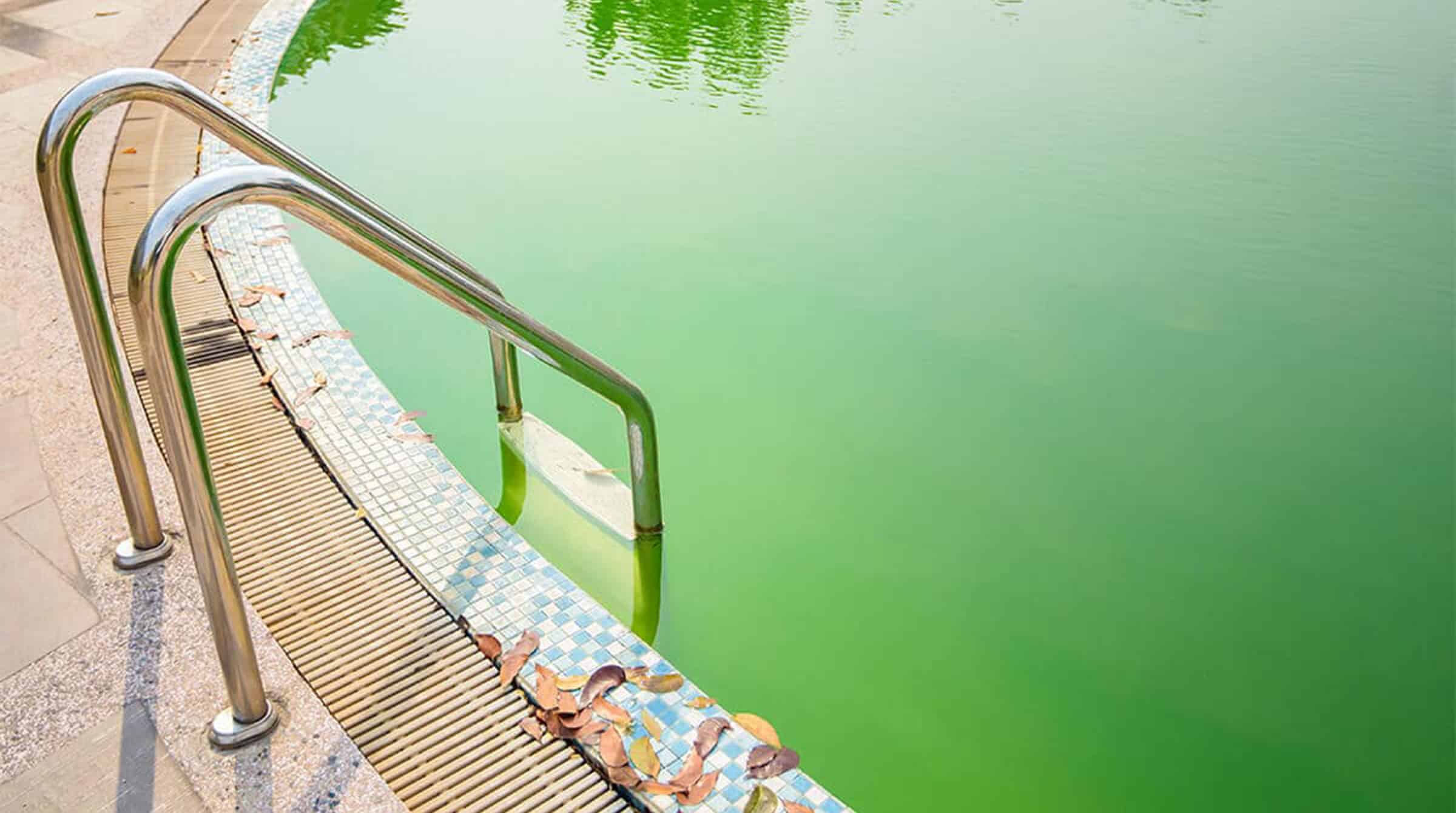
3 Types Of Pool Algae | An Expert Guide

What Is Algae? Understanding the 3 Types of Pool Algae and How to Beat Them

Pool algae is one of the most common headaches Australian pool owners face, especially as temperatures climb. What begins as a handful of invisible algae spores can turn an entire pool green in a matter of days if conditions are right. Understanding the different types of pool algae and knowing how to spot, treat, and prevent algae before it takes hold is the key to keeping your pool water crystal clear all year round.

Not all algae behave the same way. Some spread across the surface as free floating algae, while others embed deep into pool surfaces and resist standard treatment. In this guide, we’ll walk through each algae type, explain what drives algae growth, and give you a clear prevention plan using the right pool chemicals and pool equipment. For a broader overview of pool care fundamentals, start with the Hy-Clor Pool Maintenance Smart Steps.
What Causes Algae Growth in Swimming Pools?

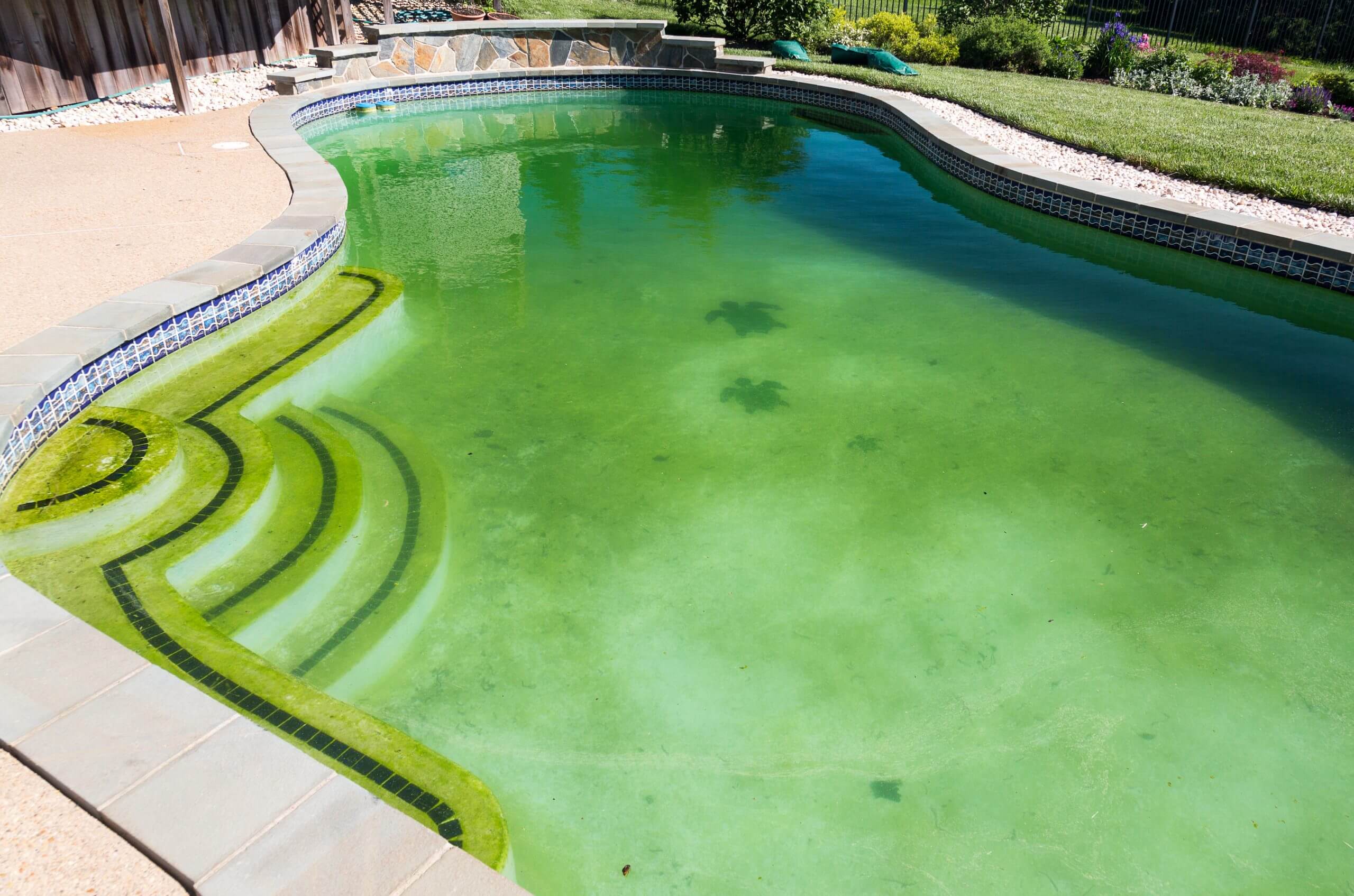
Algae growth in swimming pools is triggered by a combination of factors that create the perfect environment for spores to multiply. Algae feeds on nutrients like phosphates and carbon dioxide, both of which are naturally present in pool water. When chlorine levels drop, water chemistry falls out of water balance, or the filtration system isn’t running long enough, those nutrients go unchecked and algae takes hold fast.

Algae spores enter your pool constantly as they are carried by wind, rain, or hitching a ride on contaminated pool equipment and pool toys. Once inside, spores settle in areas with poor water circulation such as pool corners, behind ladders, and along the waterline. Poor circulation creates stagnant zones where algae thrives because sanitiser cannot reach effectively. That’s why running your pool pump long enough for a full water turnover each day is essential and you can learn more about pump sizing and installation in our How to Install a Pool Pump guide.

Unbalanced pool chemicals are the single biggest contributor to algae blooms. When your pool sanitiser drops below effective levels or your pH drifts outside the 7.2–7.6 range, chlorine loses its killing power and algae multiplies unchecked. Regular water testing with Hy-Clor’s Pool and Spa Testing kits catches imbalances before they become algae infestations. For a detailed walkthrough of what to test and when, see our How to Test Pool Water blog.

The 3 Types of Pool Algae

While there are many varieties of algae in the natural world, three types of algae are responsible for the vast majority of problems in Australian swimming pools. Each one looks different, behaves differently, and requires a specific approach to treatment.
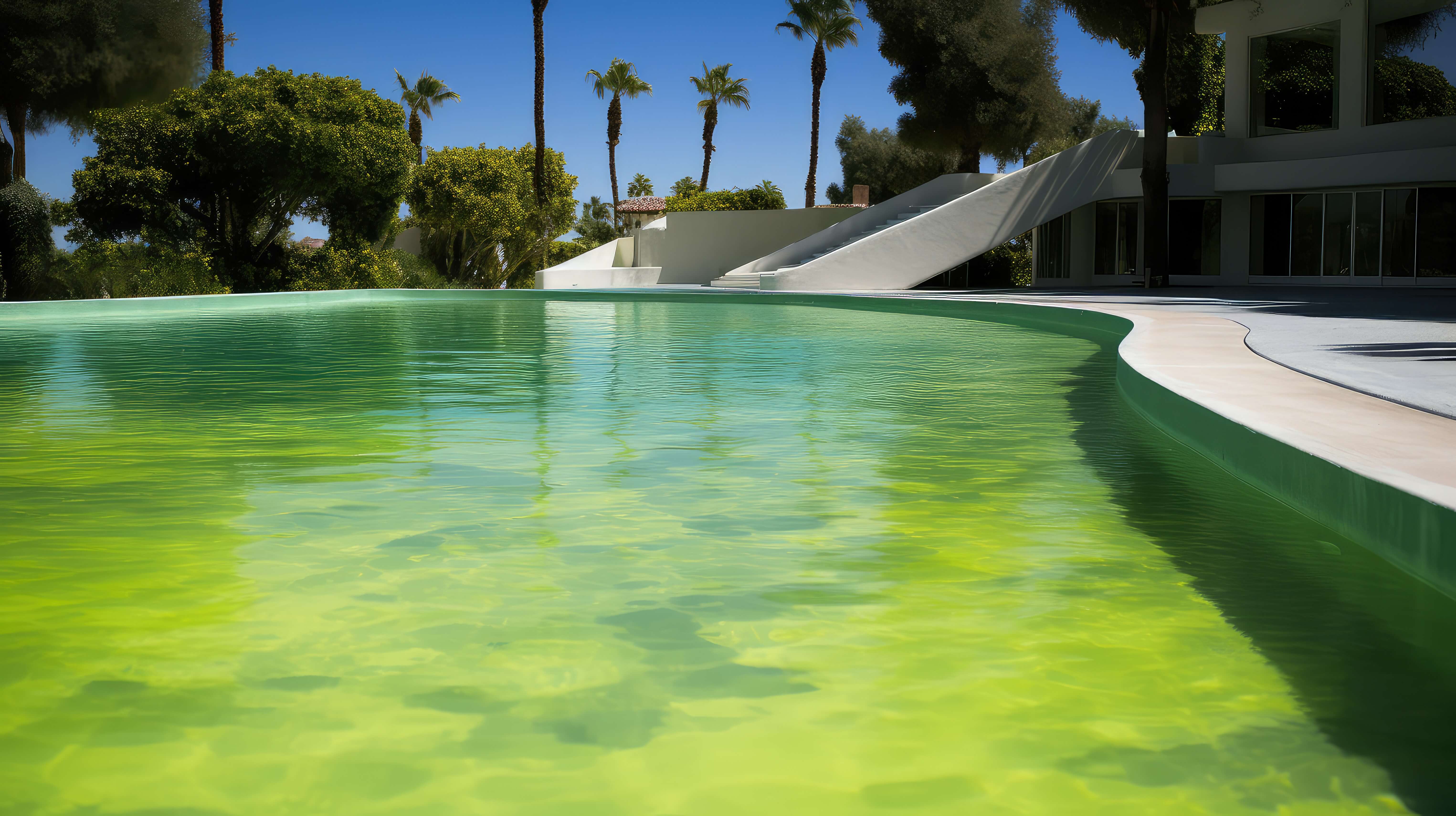
Green algae is the most common type of pool algae and the one many pool owners encounter first. It typically appears as free floating algae suspended in the water, giving the pool a cloudy, green pool water appearance or as a layer of green slime coating the pool walls and floor. Green pool algae multiplies rapidly in warm, poorly circulated water and can turn a clean pool into a green pool almost overnight.

How to treat green algae:

  • Start by thoroughly brushing the pool walls and floor with a sturdy algae brush to break up visible algae and expose it to the sanitiser.
  • Shock the pool with a high dose of chlorine sanitiser to kill the remaining spores. Aim to raise free chlorine levels to at least 10 ppm for an effective shock.
  • Run the filtration system continuously for 24 hours to remove dead algae cells and restore water clarity. If your water is still hazy afterwards, a clarifier will bind remaining particles for your filter to capture. For more on diagnosing and fixing murky water, see Why Is My Pool Cloudy?.
  • Once clear, clean or backwash your pool filter to flush out the trapped dead algae and prevent it from becoming a breeding ground. Check our Equipment Maintenance guide for filter care best practices.

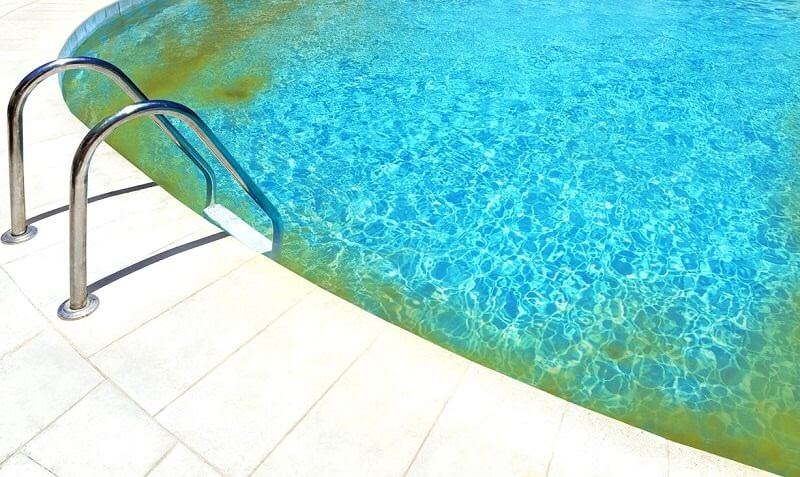
Mustard algae, also known as yellow algae, is one of the more deceptive algae types. It appears as fine, powdery yellow or sand-coloured patches, usually in shaded areas of the pool where sunlight doesn’t reach. Many pool owners mistake mustard algae for sand or pollen, which delays proper treatment and allows it to spread. Despite its considerably slow growth rate, mustard algae is more resistant to chlorine than green algae and is notoriously difficult to eradicate completely.

How to treat mustard algae:

  • Vigorously brush all affected areas to remove the outer protective layer and expose the algae beneath to your sanitiser.
  • Perform a Super-Shock treatment. Standard shock doses are usually not strong enough for mustard algae as a super-shock raises free chlorine well beyond normal levels to overcome the algae’s resistance.
  • Apply a specifically formulated algaecide designed for resistant strains. Standard algaecides may not be effective against yellow algae.
  • Run the filter continuously for 24–48 hours and clean all pool equipment, pool toys, and swimwear that may harbour spores. Mustard algae is notorious for reintroduction through contaminated items.

Black algae is the most difficult and dangerous of the three types of pool algae. Technically classified as cyanobacteria, black algae appears as small, dark spots that embed deeply into pool surfaces, particularly concrete and plaster. A black algae infestation is more than a cosmetic issue: the roots penetrate porous surfaces and can cause structural damage to your pool over time if left untreated.

How to treat black algae:

  • Scrub each spot aggressively with a stainless-steel algae brush to break through the algae’s tough protective outer layer. Without breaking this coating, chemicals cannot penetrate to the roots.
  • Apply Hy-Clor Blackspot Remover directly to affected areas. This product is formulated to kill stubborn black algae at the root level.
  • Follow up with a long-term algaecide for ongoing protection. A full three-month treatment period is generally recommended to ensure all living cells are eradicated.
  • Maintain proper chlorine levels throughout the treatment period and test regularly. Black algae can reappear from a single surviving cell, so persistence is essential.

What Are Algae Blooms and Why Do They Happen?

Algae blooms occur when algae growth accelerates out of control, causing dramatic changes to your pool water colour and clarity. A green pool algae bloom can turn water vivid green almost overnight, while mustard algae may create yellow or brown patches across pool surfaces. These blooms are almost always the result of poor water circulation, unbalanced pool chemicals, or lapses in your cleaning routine.

To prevent algae blooms, pool owners must maintain proper chlorine levels, ensure proper circulation by running pump systems for adequate daily turnover, and keep pool surfaces clean through regular brushing and vacuuming. Prompt action at the first sign of discolouration before a bloom fully develops saves significant time and chemical cost. For step-by-step cleaning routines, see our best way to keep your pool clean guide.

How Algae Affects Your Pool and Health

Pool algae does more than make your water look unappealing. Left unchecked, algae makes pool surfaces slippery and hazardous, creates a breeding ground for harmful bacterial growth, and clogs your pool filter which reduces proper filtration efficiency and driving up maintenance costs. Algae can also invade pool plumbing, leading to blockages and expensive repairs.

For swimmers, an algae-contaminated pool is far from a safe swimming environment. The bacteria that thrive alongside algae can cause skin irritation, ear infections, and gastrointestinal illness. Keeping your pool free of algae isn’t just about aesthetics, it’s about protecting your family’s health.

How to Prevent Algae Growth in Your Pool

Algae prevention is always easier and cheaper than treatment. A proactive approach built on consistent water balance, proper circulation, and routine cleaning will stop most algae problems before they start. Here is a practical pool algae prevention checklist:

Maintain proper chlorine levels

Keep free chlorine levels between 2–4 ppm at all times. Test at least weekly with Hy-Clor’s test strips or kits, and adjust using the appropriate chlorine sanitiser. For guidance on spotting imbalances early, read Signs of Low pH in Pool.

Keep water chemistry balanced

Maintain pH between 7.2–7.6 and total alkalinity between 80–120 ppm. Unbalanced pool chemicals reduce chlorine’s effectiveness and create conditions where algae thrives. Use Hy-Clor’s balancer chemicals to fine-tune your water balance. For a full chemical schedule, visit the Pool Maintenance Chemicals Guide.

Ensure proper circulation

Run your pool pump long enough each day for a full water turnover—typically 8–12 hours in summer. This eliminates stagnant zones in pool corners where algae settles. Learn more in the Equipment Maintenance guide.

Brush and vacuum regularly

Scrub pool walls and floors at least once a week with the appropriate brush for your surface type, and vacuum or use a pool cleaner to remove settled debris. For a fibreglass pool, the smooth surface makes it harder for algae to attach but regular brushing is still recommended.

Manage phosphate levels

Phosphates are a primary food source for algae. Use Hy-Clor Phosphate Test Strips to monitor phosphate levels, and when readings reach 300–500 ppb, apply Hy-Clor Phosphate Remover or Hy-Clor CloudOut Clarifier to strip them from the water.

Use a preventive algaecide

Adding a long-term algaecide on a regular schedule provides ongoing defence against algae blooms for several months, significantly reducing the chance of an outbreak.

Maintain your filter

A dirty pool filter cannot provide proper filtration, leaving dead algae and debris circulating through the water. Clean or backwash your filter monthly and inspect it as part of your pool maintenance kit routine.

For first-time owners looking for a complete care routine, our Pool Maintenance for Beginners guide covers everything from water testing to chemical dosing in plain language.

FAQs

The three main types of pool algae are green algae, mustard algae, and black algae. Green algae is the most common and appears as cloudy green pool water or green slime on surfaces. Mustard algae looks like fine yellow or sand-coloured powder, often found in shaded areas, and is frequently mistaken for pollen. Black algae presents as small, dark spots that embed into porous surfaces like concrete. Each type requires a different treatment approach, from standard shocking for green algae to specialised Blackspot Remover for black algae.
Prevent algae growth by maintaining free chlorine levels between 2–4 ppm, keeping pH within the 7.2–7.6 range, and running your pool pump long enough each day for full water turnover. Regular brushing and vacuuming remove spores before they can establish colonies, while managing phosphate levels with a phosphate remover cuts off algae’s primary food source. Adding a preventive algaecide on a regular schedule provides an additional layer of protection against algae blooms.
Yes. Pool algae can clog your pool filter, reduce proper filtration efficiency, and invade plumbing which leads to blockages and costly repairs. Black algae is particularly destructive because its roots penetrate porous pool surfaces like concrete, potentially causing structural damage over time. Algae also creates a breeding ground for bacterial growth, compromising swimmer health. Consistent water testing, proper circulation, and routine treatment with the right pool chemicals protect both your pool equipment and the people who swim in it.

Keep Your Pool Algae-Free with Hy-Clor

Understanding the types of pool algae and acting early is the best defence against a green pool. With the right combination of water testing, proper chlorine levels, and preventive algaecides, you can enjoy a crystal clear, safe swimming environment all year round.

Explore the full range of Hy-Clor pool maintenance products at your nearest Bunnings Warehouse. For more expert tips, browse the Hy-Clor Learning Centre and Video Resources. If you need personalised advice on any pool or chemical enquiry, contact Hy-Clor on 1800 625 123.