

On This Page
Step-by-Step Guide: Adding Chemicals to Your Spa Like a Pro
New to spa care? You’re not alone and you’re in the right place. If you’ve just set up your spa or are still figuring out the basics, understanding how to add chemicals to your spa is the first step toward clean, safe, and enjoyable water every time you use it.
Getting the balance right helps prevent cloudy water, skin irritation, and algae growth. It might sound technical, but with the right steps, it’s easy to manage, even if you’ve never done it before.
This Hy-Clor beginner-friendly guide breaks it all down into simple steps, from testing the water to adding the right products in the correct order. You’ll learn how to keep your spa water sparkling and your experience stress-free, so you can spend more time relaxing and less time guessing.
Why Adding Chemicals to Your Spa Is Crucial
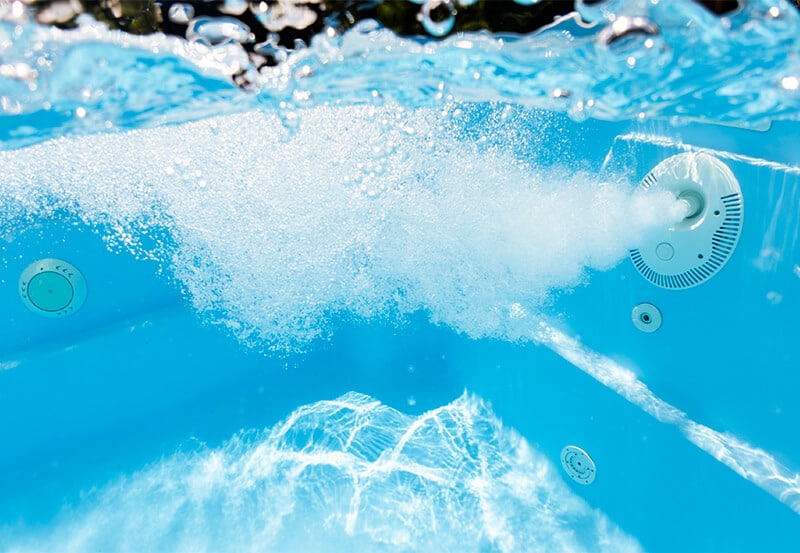
Spa chemicals aren’t just for show. They do the heavy lifting by killing off harmful bacteria and keeping the water safe for you and your family. They also help balance important levels like pH and alkalinity, which means no itchy skin, no burning eyes, and no unpleasant surprises when you hop in.
Well-balanced water also protects your spa itself. Without regular treatment, you can end up with scale buildup, corrosion, or cloudy water that wears down your equipment over time. A few minutes of chemical care each week go a long way toward keeping everything running smoothly.
Stay on top of your spa’s chemical needs, and you’ll enjoy crystal-clear water, fewer maintenance headaches, and longer-lasting equipment, all while getting the relaxing soak you signed up for in the first place.
Preparing to Add Chemicals to Your Spa
Before adding anything to the water, it’s essential to follow a few key steps. Proper preparation not only keeps you safe but also helps you get the most out of your spa chemicals. Whether it’s your first fill or a weekly check-up, getting the setup right makes the rest of your routine much easier.
Follow these simple steps.
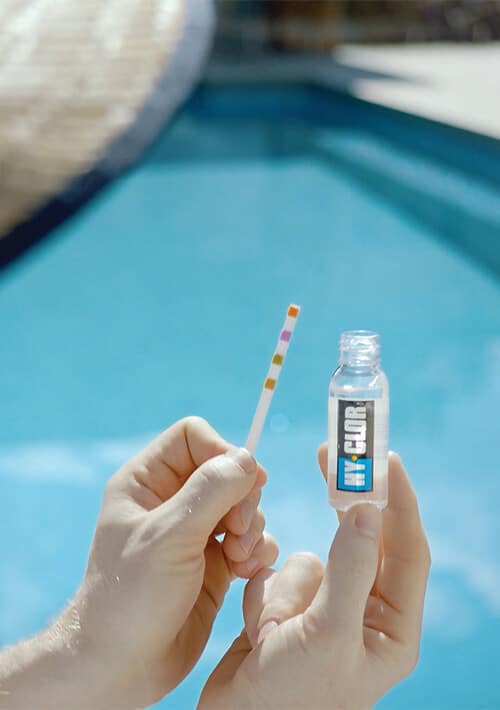
Test the water. Start by testing your spa water using test strips or a liquid test kit. Check key levels like pH, total alkalinity, calcium hardness, and sanitiser levels. For added convenience and precision, you can also take a water sample to one of Hy-Clor’s free in-store water testing kiosks or use their mobile app for detailed results.
Identify what needs to be adjusted. Your test results will tell you exactly which chemicals to add after filling or during maintenance. If your pH is too low, you’ll need a pH increaser. If sanitiser levels are low, it’s time to add more. The goal is to bring all levels into their ideal ranges before soaking.
Gather your tools and chemicals. Before adding anything, make sure you have the right tools and products on hand.
Here’s what you need for a complete spa start-up routine.
- Gloves and protective eyewear
- Measuring cup or scoop
- Clean bucket for pre-mixing, if required
- Spa chemicals based on your test results, such as sanitiser, pH balancer, alkalinity increaser, calcium hardness, and shock
Being prepared sets you up for success. With your test results in hand and your chemicals ready, you’re all set to start balancing your spa water the right way.
Step-by-Step Guide to Adding Chemicals to Your Spa
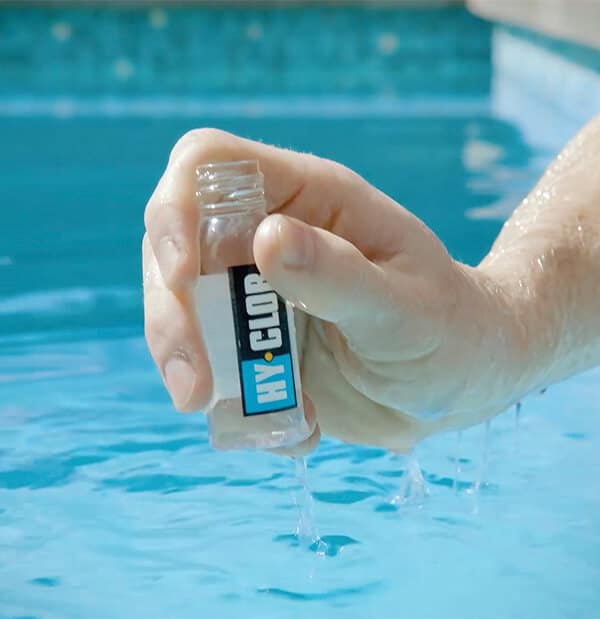
Now that you’ve tested your water and identified what needs adjusting, it’s time to start adding chemicals. The order in which you add them matters, starting with sanitiser and working through to balancers and shock treatments to help maintain a stable, healthy environment for every soak.
Safety Tips When Handling Spa Chemicals
Spa chemicals are essential for clean water—but they’re still chemicals, and they should always be handled with care. Whether you’re just starting your spa start-up procedure or topping up between uses, following a few simple practices will help protect you, your spa, and the environment around it.
Here’s how to keep your pool clean and clear:
Taking a few extra seconds to handle your chemicals the right way can save you from bigger problems later. It also helps you maintain a healthier environment for you and your family.
How to Maintain Balanced Spa Water After Adding Chemicals
Adding chemicals to your spa is just the beginning. To keep your water clean, balanced, and ready to use, it’s important to stay on top of regular maintenance. The good news is that once you get into a rhythm, it becomes a quick and easy part of your weekly routine.
Testing your water regularly is key. You don’t need a lab. Just use test strips or a home testing kit to check pH, alkalinity, sanitiser levels, and calcium hardness. A good rule of thumb is to test at least once a week, and always after heavy spa use or topping up the water. If you prefer professional support, you can bring a sample to one of Hy-Clor’s in-store testing kiosks for fast, detailed results.
Adjust your chemical levels as needed. Having a complete spa chemical kit on hand ensures you’re prepared for quick fixes, whether it’s adding more sanitiser, balancing pH, or shocking the water. Remember to give each chemical time to circulate before moving on to the next.
To keep your water looking and feeling its best.
- Clean your spa filters regularly, usually every 1 to 2 weeks depending on usage. Dirty filters reduce circulation and make your chemicals less effective.
- Use a spa cover when the spa isn’t in use. It keeps out debris, retains heat, and helps prevent chemical evaporation.
- Rinse off before entering the spa to reduce oils, lotions, and other contaminants that disrupt water chemistry.
When you’re consistent with maintenance, you’ll spend less time troubleshooting and more time relaxing. And with top-quality spa chemicals, like those from Hy-Clor, you’ll always have what you need to keep your water crystal clear.
FAQs
You should check and adjust your spa chemicals at least once a week. However, if the spa is used frequently it’s smart to test and adjust more often. Sanitisers like chlorine or bromine may need topping up every few days to maintain safe levels, while pH and alkalinity usually need adjusting less frequently. After heavy use or topping off the water, always test before your next soak.
Yes. Always run the pump when adding chemicals to help them circulate evenly throughout the water. This allows sanitisers, pH balancers, and other treatments to distribute properly and prevents concentrated areas of chemical buildup. Let the pump run for at least 15–30 minutes after adding each chemical.
It depends on what you’ve added. After adjusting pH or alkalinity, you can typically use the spa within 30 minutes. However, after adding sanitiser or shock, it’s best to wait until the chemical levels return to the safe range. Always test the water before entering.
The general rule is to treat in this order:
- Sanitiser (chlorine or bromine)
- Alkalinity increaser (if needed)
- pH balancer (increase or decrease)
- Calcium hardness (if applicable)
- Shock treatment
This sequence helps prevent chemical interactions and keeps your water balanced more efficiently. Following a proper order is especially important during your initial spa start-up procedure.
Technically, yes, but it’s not ideal. Most spa chemicals work best when the water is warm (around 26°C or 80°F). If your spa has just been filled with cold water, it’s fine to begin testing, but wait until the water warms before adding the full dose of sanitisers or balancers. This allows for better dissolving, distribution, and effectiveness.
Ensure Sparkling Spa Water With Hy-Clor’s Premium Chemicals
Now that you know how to add chemicals to your spa, you’re all set to enjoy water that’s clean, inviting, and helps your spa perform at its best.
Whether you’re stocking up for your first spa start-up or refreshing your routine, Hy-Clor has you covered. Their range of high-quality spa chemicals, including sanitisers, pH balancers, and shock treatments, is designed to make spa care simple, even for beginners.
For more tips on keeping your spa in top shape, explore Hy-Clor’s Learning Centre, packed with how-to guides and expert advice. You can also visit one of their free water testing kiosks for personalised recommendations.
Ready to stock up? Shop the full range of spa chemicals online or contact Hy-Clor’s friendly helpline for expert guidance on choosing the right products for your spa.