

On This Page
How To Reduce Hardness in Pool Water: Simple Fixes for Sparkling Swims
White crust on pool tiles. Cloudy water that never quite clears. A pool that feels like a science experiment.
If any of that sounds familiar, high calcium hardness is likely the culprit.
Hard pool water is a common issue, especially in areas with mineral-heavy tap water. Left unchecked, calcium builds up fast. Surfaces scale over, heaters work harder, filters clog sooner, and water balance becomes a constant battle.
Sounds scary, but it’s all avoidable.
Want to know how to reduce hardness in pool water? Stick around.
What Is Pool Water Hardness and Why Does It Matter?
Pool water hardness refers to calcium hardness, the amount of dissolved calcium in your pool water, measured in parts per million (ppm).
In the right range, calcium plays a quiet but essential role in water balance. It prevents pool water from becoming too aggressive, reducing the risk of your pool surface slowly wearing down. For most home pools, the ideal calcium hardness range is 200–400 ppm.
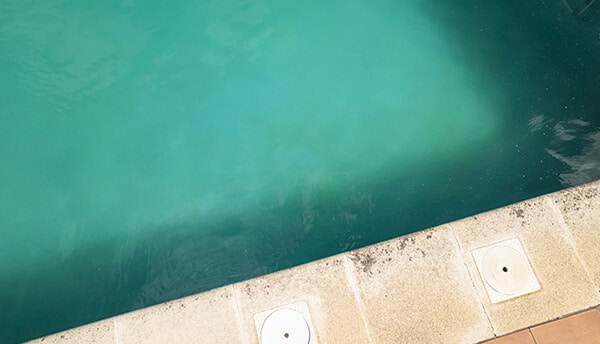
When calcium levels are too high, excess minerals can drop out of the water and cling to tiles, pool walls, and equipment. This leads to chalky scale, cloudy water, and extra strain on heaters, filters, and salt cells.
When calcium is too low, pool water can become too soft. Soft water tries to balance itself by drawing tiny amounts of minerals from the materials it contacts. This process can gradually wear down the pool’s plaster, pebble finish, or grout.
Signs of High Calcium Hardness in Pool Water
Before learning how to reduce hardness in pool water, what are the signs to look out for that high calcium hardness is actually a problem in your pool?
- Cloudy water that won’t completely clear
- White, chalky scale on pool tiles, walls, steps, and fittings (especially around the waterline)
- Etching and pitting on plaster or pebble finishes and grout wear
- Scale build-up on equipment like heaters, filters, and salt chlorinator cells
- pH that keeps creeping up, and water balance that’s hard to keep steady
- Reduced water flow or pressure changes from build-up in the system
- Heaters and filters working less efficiently, and needing more cleaning than usual
What Causes High Hardness in Pool Water?
How to Reduce Hardness in Pool Water
If testing reveals high hardness in your pool water, follow these steps.

Preventing High Calcium Hardness in the Future
High calcium hardness usually builds up slowly. Staying ahead of it involves following these simple habits.
- Test regularly: Test calcium hardness monthly, and always after large top-ups, hot weather, or heavy rain.
- Limit evaporation: Use a pool cover to reduce evaporation and limit how often you need to top up your pool.
- Choose chemicals carefully: Avoid overusing calcium-based chlorine and shock products.
- Manage water balance: Keep pH and alkalinity in range so calcium stays dissolved instead of forming scale.
- Keep water moving: Maintain good water circulation and brush surfaces regularly.
- Stay on top of cleaning: Clean filters and salt cells as recommended to prevent hidden build-up.
- Treat hard tap water: Consider installing a water softener if you live in a hard-water area.
- Get professional water testing: Take a pool water sample to a testing station, such as Hy-Clor’s free in-store water testing kiosks or Bunnings.
FAQs About How to Prime a Pool Pump
High calcium hardness usually comes from hard tap or bore water. Calcium builds up as pool water evaporates and is replenished, and can accumulate more quickly if calcium-based pool chemicals are used too often.
You can’t fully remove calcium without draining pool water, but you can manage high hardness by using a calcium reducer or scale inhibitor, balancing pH and alkalinity, and maintaining good circulation to stop calcium from turning into scale.
Over time, high calcium levels can cause scale build-up on pool surfaces and inside equipment, reduce heater and filter efficiency, clog salt cells, and shorten the lifespan of key pool components.
Test calcium hardness about once a month, and always after large pool water top-ups, heatwaves, or major water changes.
There isn’t a single “best” product for every pool, but the most effective options are calcium hardness reducers or scale inhibitors. They help stop calcium from sticking to surfaces and equipment and reduce scale formation.
Look for a quality calcium control/scale inhibitor from a trusted pool brand like Hy-Clor, and always follow the label directions so you dose for your pool’s size and current hardness level.
For stubborn or very high calcium, combining a reducer with good water balance and circulation gives the best results.
High calcium hardness can cause scale to form in pool heaters and filters. Scale acts like a crust that blocks water flow and slows heat transfer, so heaters work harder, efficiency drops, and parts can wear out sooner. Filters can also clog faster, which reduces circulation and can make the water harder to keep clear.
Keep Your Pool Water Perfectly Balanced with Hy-Clor’s Expert Solutions
We hope we’ve helped you understand how to reduce hardness in pool water: diluting high-calcium water, using calcium reducers, balancing pH and alkalinity, improving circulation, and staying on top of regular testing and maintenance.
Getting calcium hardness under control means clearer, safer water and pool equipment that runs the way it should. Less scale. Less guesswork. More time enjoying your pool instead of fighting it.
For specialty pool care chemicals and test kits to maintain a balanced pool, explore our range online today.
For easy-to-follow, expert pool care advice, drop into a Hy-Clor store or Bunnings for a free water test, check out the online Learning Centre, download the free Hy-Clor water testing app, or contact us.